An international scientific research initiative is set to shed light on the hitherto largely unknown palaeogeographic and palaeoenvironmental history of the coastal areas of the Cyclades.
The research activity is being carried out within the framework of the European project Changing Coasts, with the participation of the National and Kapodistrian University of Athens (NKUA), Université Paul-Valéry Montpellier 3, and the University of Bucharest. NKUA is leading and coordinating the initiative, under the scientific supervision of Professor Niki Evelpidou of the Department of Geology and Geoenvironment.
The aim of the research is to reconstruct the palaeogeographic evolution of the coastal plains of the Cyclades during the Late Quaternary. Scientists will search within the sediments lying beneath the present-day surface for evidence of past environmental conditions and the changes that shaped the coastal landscape of the Cyclades over time.
From the field to the laboratory, and from the laboratory to reconstructing the past
The research will unfold in three distinct but interconnected stages.
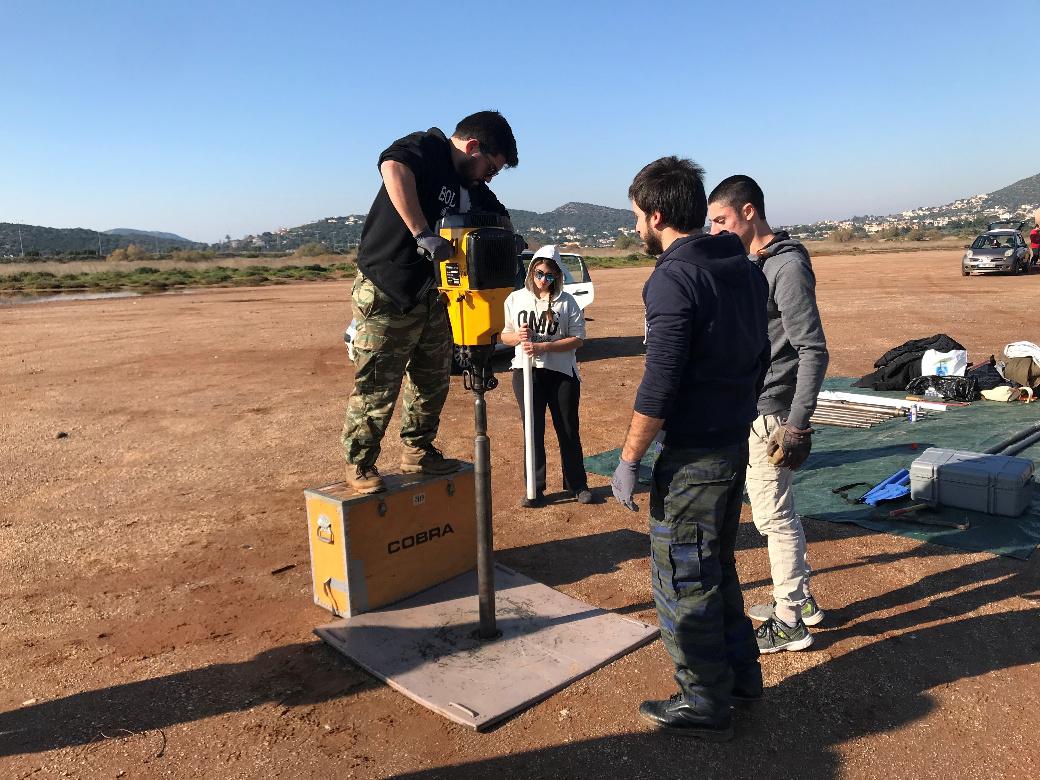
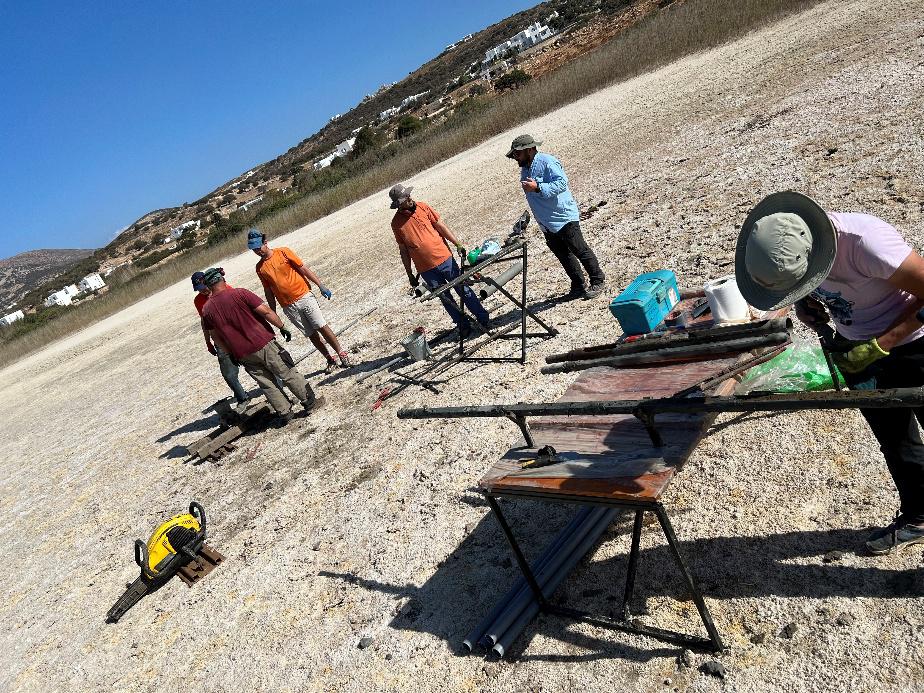
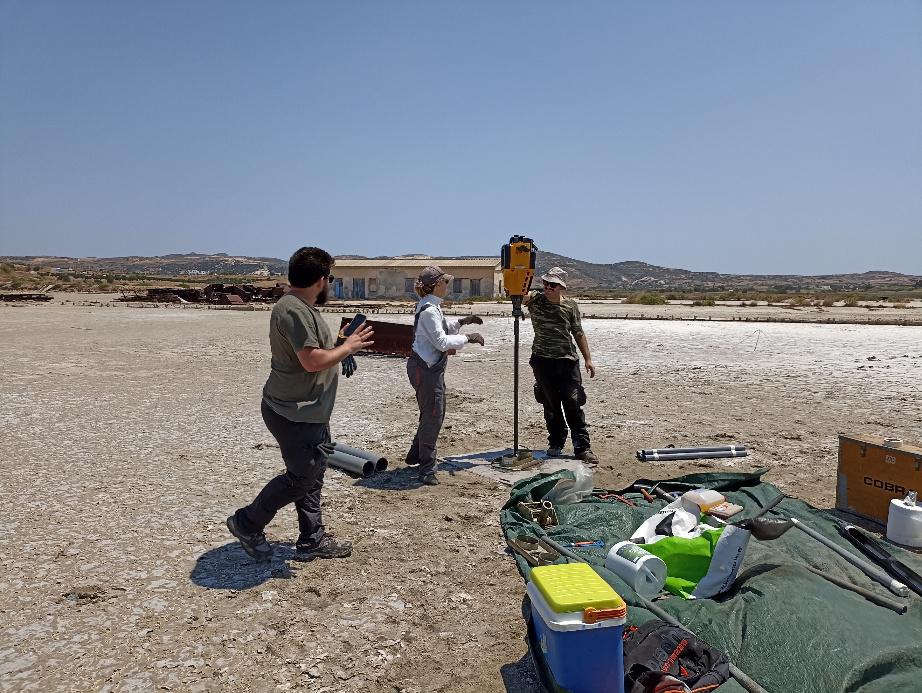
The first stage involves fieldwork, which will take place in October at Stelida and Eggares and will be repeated over the coming years in different areas and on different islands of the Cyclades. Sediment cores will be collected through sampling boreholes using a portable Cobra drilling system, allowing researchers to retrieve cores from beneath the surface.
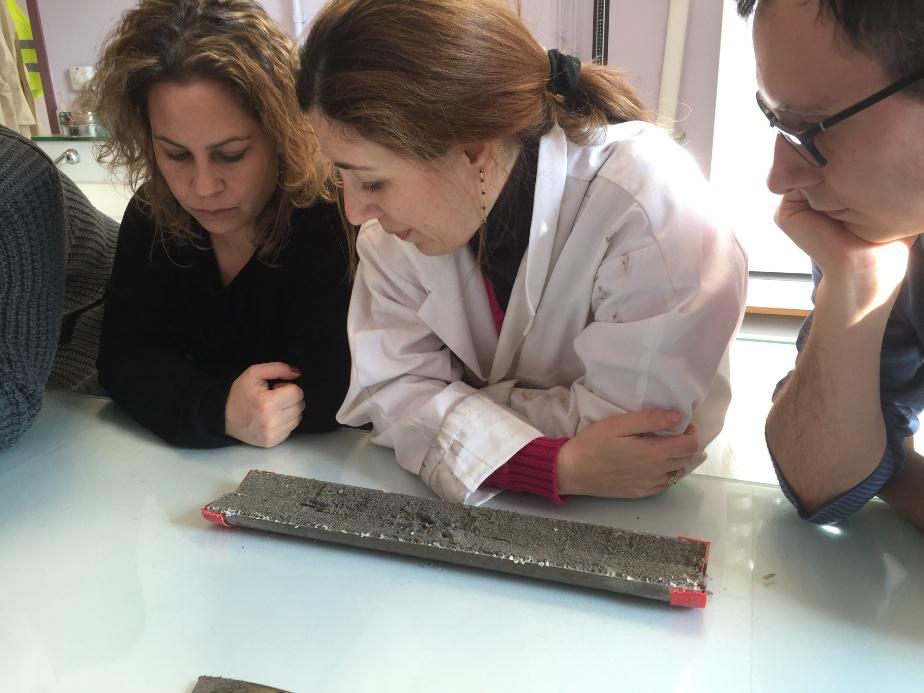
These cores essentially constitute an “archive” of the past, as the different sediment layers may preserve evidence of the environmental conditions that prevailed during different periods, including fossilised flora and fauna.
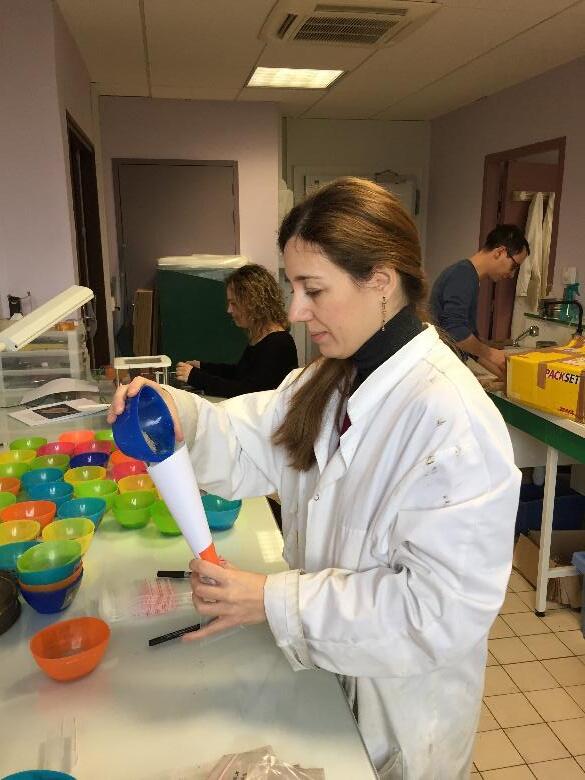
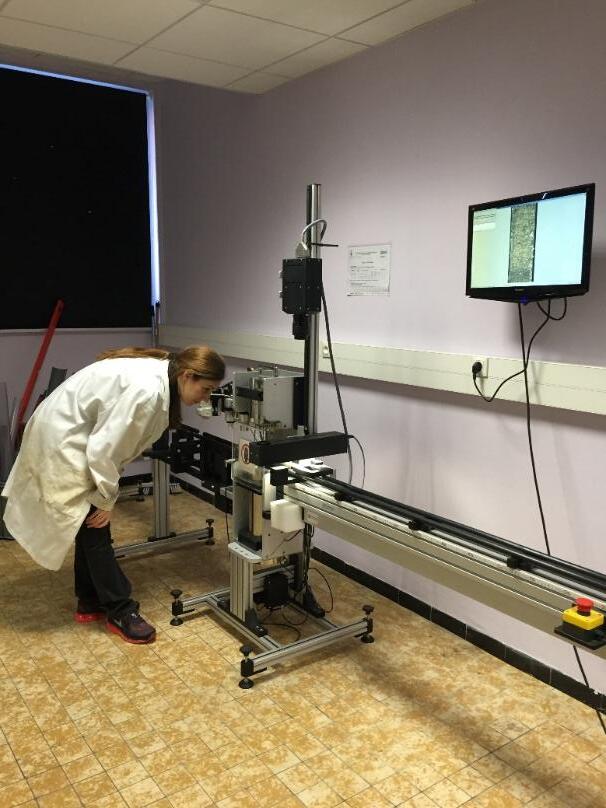
During the second stage, the cores will be transferred to the University of Bucharest, where their stratigraphy and the characteristics of the sedimentary sequences will be analysed in detail. By studying the successive layers, researchers will be able to “read” the chronological sequence of environmental changes.
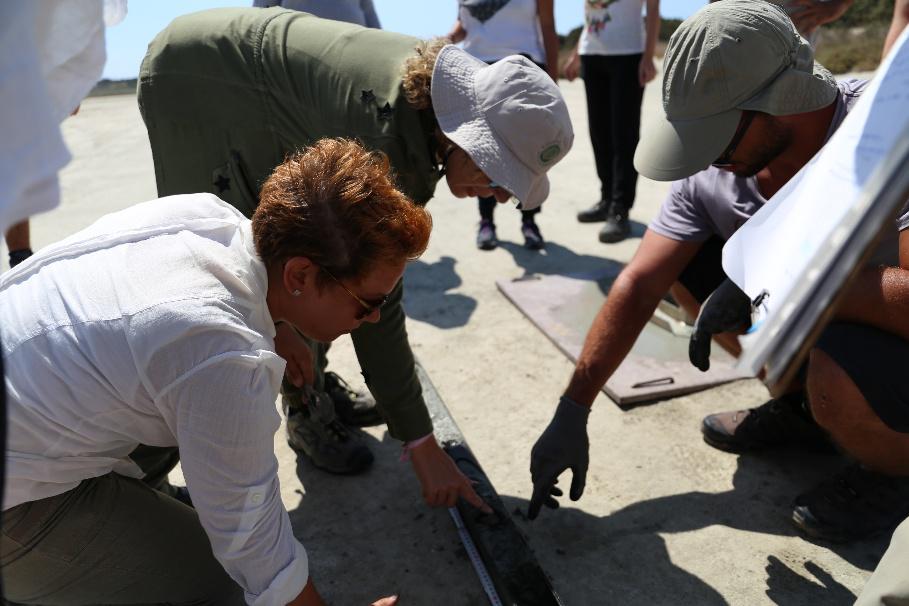
The third stage will take place at Université Paul-Valéry Montpellier 3, where the findings will undergo further analysis and all the data will be synthesised, with the ultimate objective of reconstructing the palaeoenvironment and tracing the evolution of the coastal areas under investigation.
The educational dimension of the initiative is equally important. The scientific and educational team from the three universities will be joined by 15 selected students — five from each institution — who will actively participate in every stage of the research.
The students will receive training in the methods applied in the field, ranging from sediment core extraction and stratigraphic recording to laboratory analyses and interpretation of the results. In this way, they will have the opportunity to observe and participate in the entire scientific process, from the initial field sampling to the final reconstruction of the palaeoenvironment.
Through this initiative, the Cyclades are once again becoming a genuine living laboratory for geoscientific research and education, where knowledge is generated through collaboration among three European universities and passed on to the next generation of researchers.
The scientific and educational team includes, from NKUA, Professor Niki Evelpidou, Dr Anna Karkani, and Dr Giannis Saitis; from Université Paul-Valéry Montpellier 3, Professor Matthieu Giaime; and from the University of Bucharest, Professor Ion Florin Tatui and Professor Alfred Vespremeanu Stroe.
The team will have both a research and an educational role, guiding the students through all phases of the project.
Why is it important to understand the environment of the past?
Reconstructing the palaeoenvironment is not simply an exploration of the distant past. By examining how the landscape evolved, scientists can understand how the coastal areas of the Cyclades changed over time, how the evolution of the landscape was linked to the presence and activities of prehistoric humans, and how natural processes shaped an area that today forms part of our natural and cultural heritage.
At the same time, the past serves as a valuable natural laboratory for understanding the future. By studying how natural systems responded to previous climatic, environmental, and geological changes, we can gain a better understanding of how nature functions.
This knowledge enables us to identify patterns, assess possible future changes, and strengthen our ability to make more reliable predictions.
The study of the palaeogeographic evolution of Stelida and Eggares, therefore, represents far more than a record of the past. It is a means of understanding how the landscape we know today was formed, how it interacted with human presence, and what the history of nature can teach us about the environment of tomorrow.
By studying the Earth’s history, we gain the privilege of looking deeper into the past in order to ask more meaningful questions about the future.