
A multidisciplinary university specializing in literature, languages, the arts, and the humanities and social sciences, UMPV was named after Paul Valéry in honor of the writer who was born in Sète and studied in Montpellier. Formerly part of the University of Montpellier Paul-Valéry, founded in 1289 and divided into three institutions in 1970, it currently counts 23,000 students, 20% of whom are international, spread across six academic and research units and one institute for information technosciences.
Main Goals :
- Better understanding the impact of climate changes on coastal evolution
- Introducing field activities in the training of geomorphology, physical geography, geoarchaeology and quaternary geology students
- Developing courses and educational material to help other higher education institutions to follow the same path following an open science philosophy
- Enhancing academic cooperation with all members of the consortium, as a way to allow further developments of ChangingCoasts or future projects
Our Members
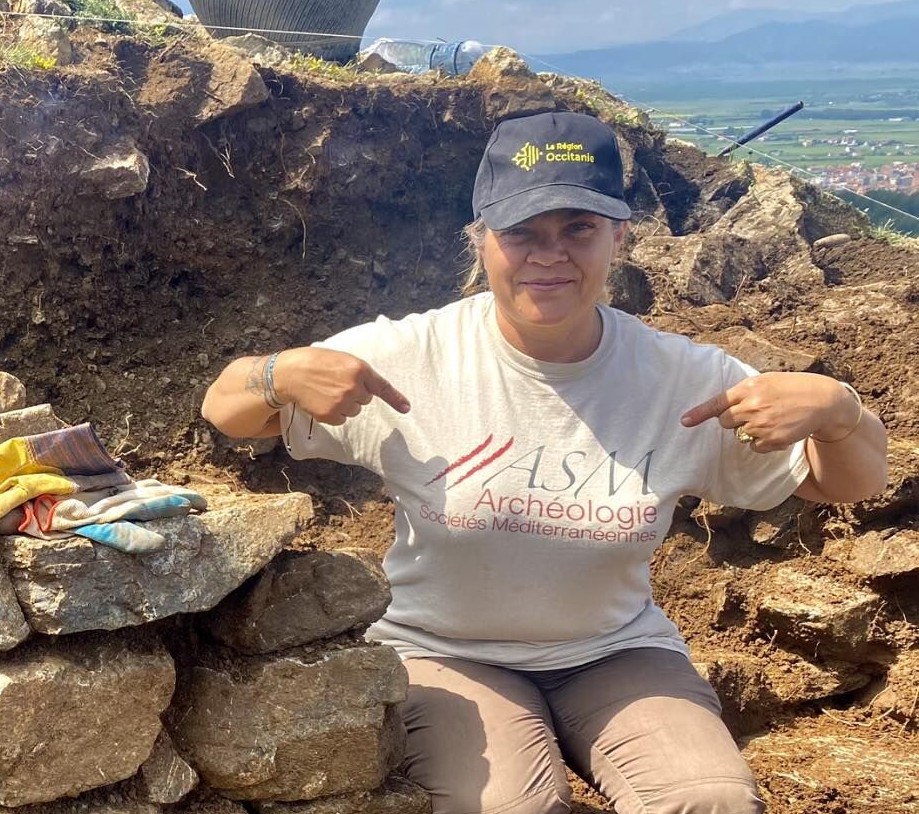
Murielle Richard, Science mediation officer
Murielle Richard is a science outreach engineer, specialized in archaeology at the UMPV (UMR 5140 Archéologie des Sociétés Méditerranéennes). She contributes to the laboratory’s public engagement activities and welcomes students for workshops and lab visits designed to introduce them to careers in archaeology.
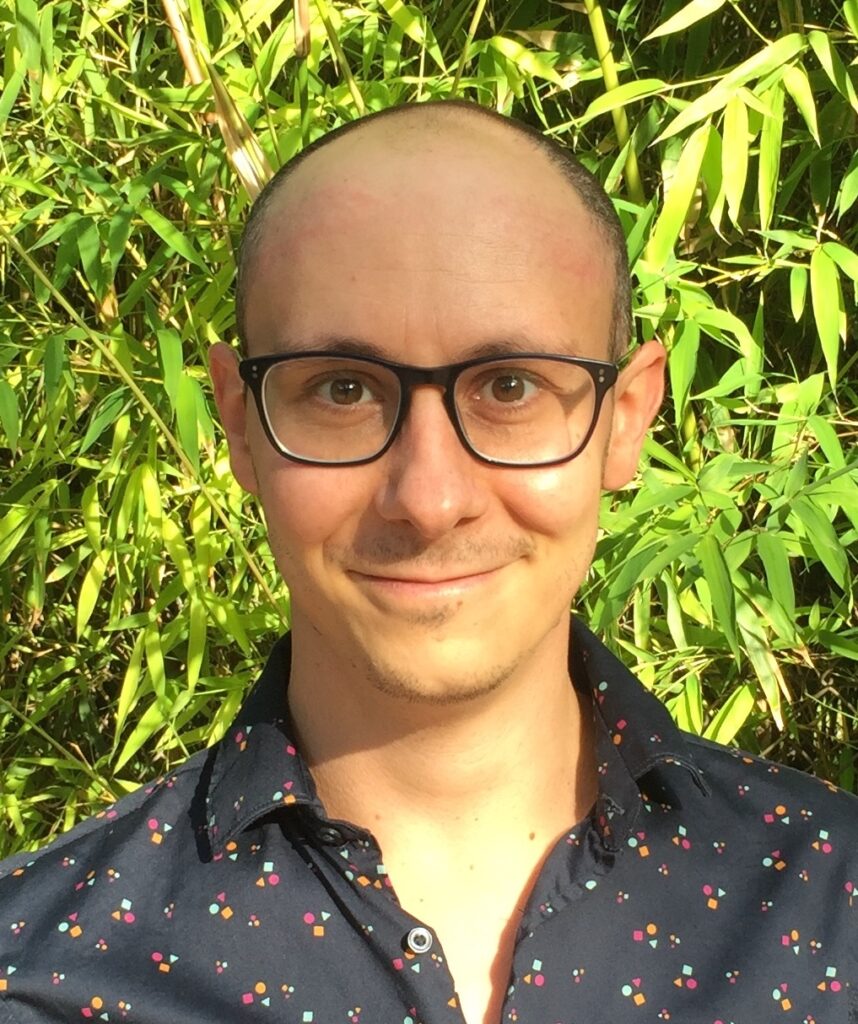
Matthieu Giaime, project coordinator
Matthieu Giaime is a geographer and geoarchaeologist, Maître de Conférences in Geography and Geoarchaeology at the Université Paul-Valéry Montpellier (UMPV) since September 2023 and a member of the ASM laboratory (UMR 5140 Archéologie des Sociétés Méditerranéennes, UMPV-CNRS). He holds a BA, an MSc, and a PhD from Aix-Marseille University, and pursued his postdoctoral research through several international fellowships, including two Marie Curie fellowships.
Over the past decade, his research has focused on the evolution of Mediterranean and Black Sea coastlines during the Holocene, spanning the geomorphology and chronostratigraphy of ancient harbours, the morphosedimentary response of coastal valley bottoms and deltas to climate forcing, human impact, and relative sea-level change, the chronostratigraphic signature of Holocene risks and hazards, and Holocene palaeoenvironments and human colonization of Mediterranean islands. His work has demonstrated that clastic coastlines are particularly sensitive recorders of past climatic and human-induced change.
Dr. Giaime is also strongly committed to open science. He is a founding member and Associate Editor of Geomorphica, a diamond open access journal for the geomorphology community, hosted by Penn State University Libraries and supported by the International Association of Geomorphologists. Within the journal’s steering committee, he leads the Ethics team, contributing to the development of a free, inclusive, and barrier-free publishing model for the geosciences.
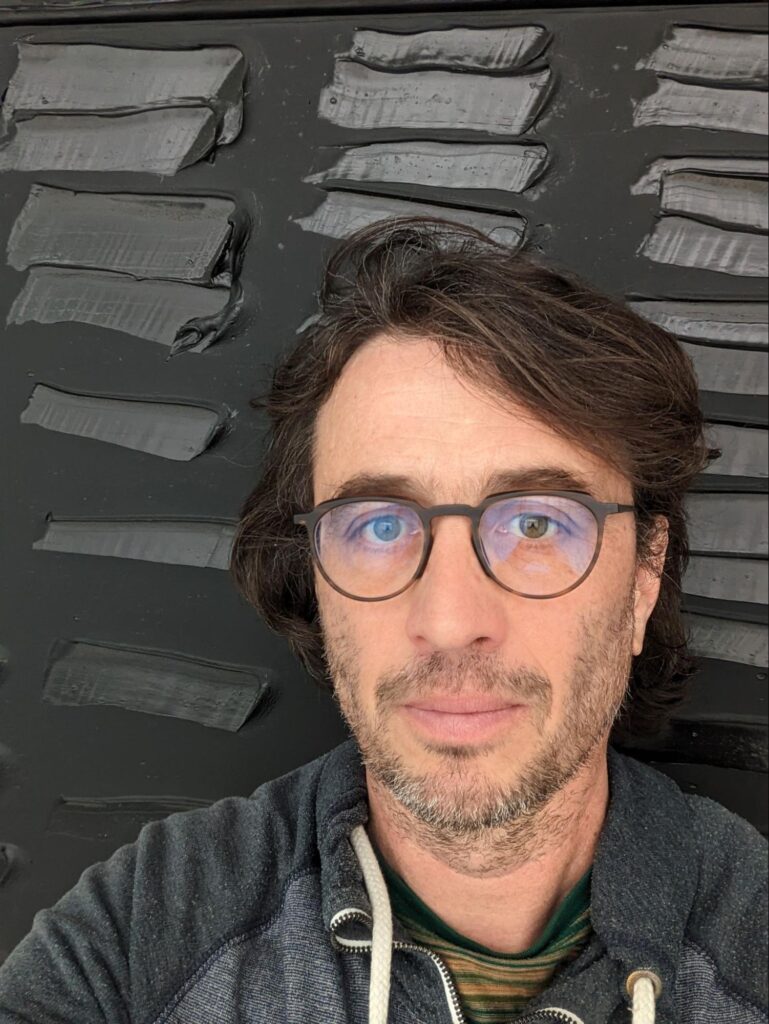
Benoît Devillers, Expert
Benoît Devillers is Professor of Physical Geography at the Université Paul-Valéry Montpellier, member of the ASM laboratory (UMR 5140 Archéologie des Sociétés Méditerranéennes, UMPV-CNRS). He holds a PhD (2005, Université de Provence, CEREGE) on the Holocene evolution of the Gialias River on Cyprus, and his research combines geosciences, geomorphology, and archaeology, with a focus on the evolution of rivers and coastlines across the Mediterranean during the Holocene, at sites in France (Sigean, Fréjus, Agde) and Cyprus (Larnaca, Limassol).
In 2010, Prof. Devillers founded the “Archéo-environnement” analysis laboratory (sedimentology, geochemistry) at UMR 5140. He has also directed the “Archéologie des Milieux et des Ressources” (AMR) research team at ASM, a group federating several dozen members around the study of the relationships between past societies and their natural environments since the Neolithic.
He is further engaged in teaching and academic supervision, notably as co-director of the Master’s programme “Gestion des Littoraux et des Mers” at UMPV, and has supervised numerous doctoral theses on coastal palaeogeography and geoarchaeology in the Mediterranean.
He has participated in more than 30 research projects in the Mediterranean and co-authored more than 70 scientific publications.
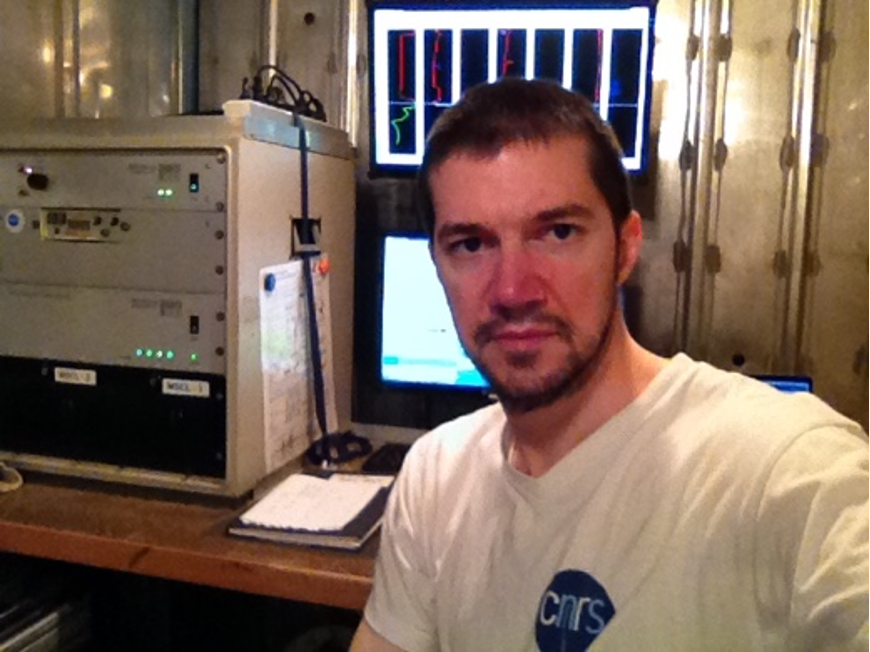
Jean-Philippe Degeai, Expert
Jean-Philippe Degeai is a Research Engineer (CNRS) at the ASM laboratory (UMR 5140 Archéologie des Sociétés Méditerranéennes, UMPV/CNRS). He holds a PhD in Geomorphology (2005, Université Paris-Sorbonne/Paris IV), devoted to measuring erosion rates at different spatio-temporal scales around maars and astroblems, with case studies in the French Massif Central and in Quebec. He specializes in sedimentology, palaeoenvironments, geoarchaeology, and tephrostratigraphy.
Within the ASM laboratory, where he manages the environmental archaeology laboratory, Dr. Degeai’s current research focuses on two closely related fields: the reconstruction of past floods and storms through the analysis of sedimentary archives, and the geoarchaeology of ancient harbour sites, notably that of Lattes (Lattara) near Montpellier. Together, this work contributes to a better understanding of the palaeogeographic evolution of Mediterranean coastlines and the climatic and human-driven changes that have shaped them over time.
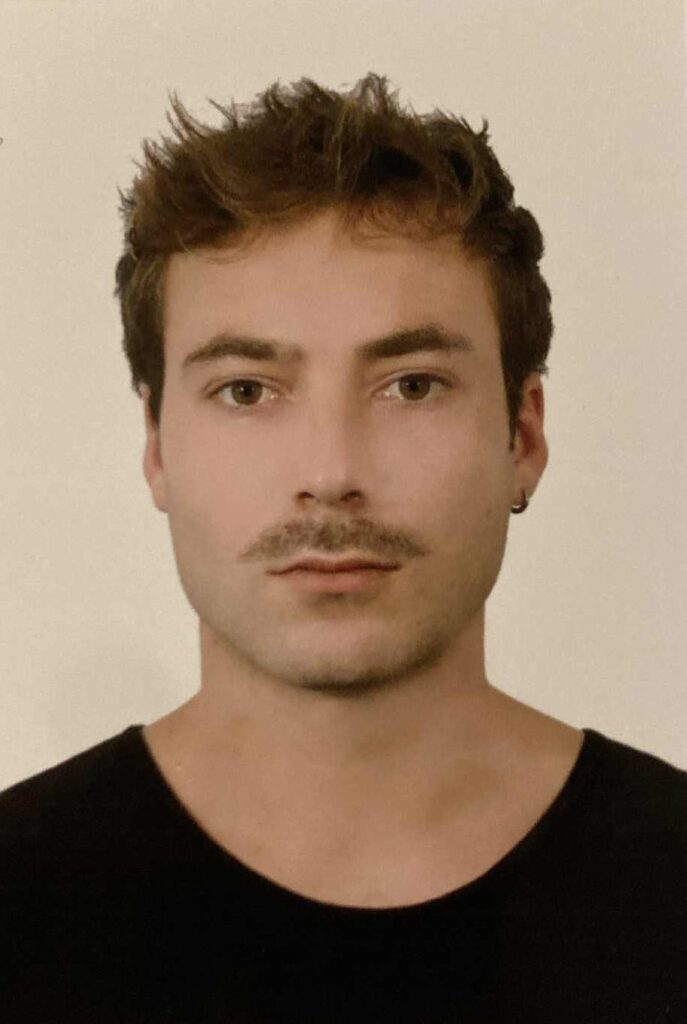
Jacques Morin, administrative staff
Jacques Morin works as a European Projects Officer within the Directorate of International Relations and Francophonie (Service Stratégie et Développement Internationaux) at Université Paul-Valéry Montpellier (UMPV), where he is in charge of managing the project.